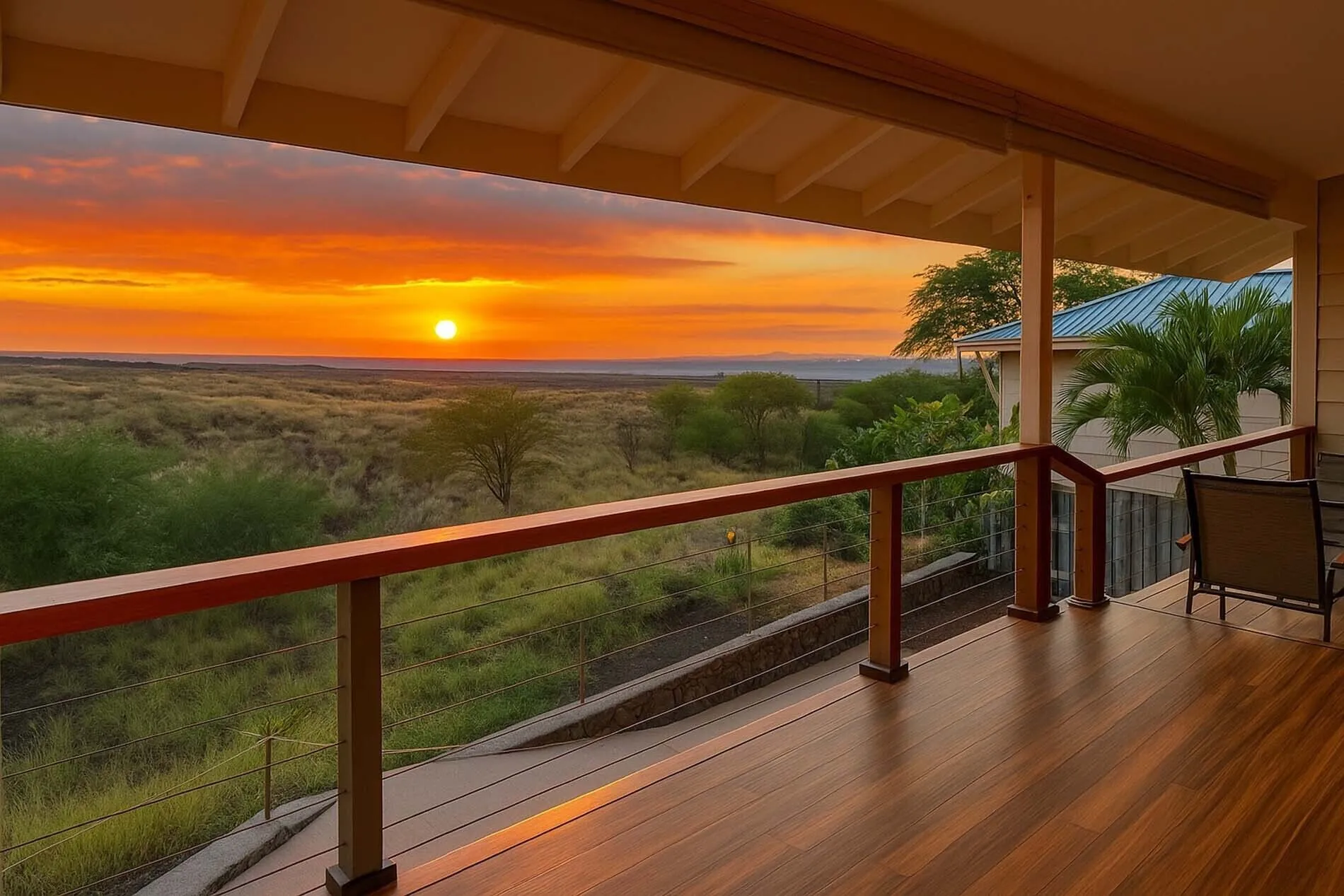
A calm, practical guide to reading the ocean on the Big Island's dry west side — which beaches have lifeguards, how to pick an easy day, and why a month means you can always wait for the water to settle.
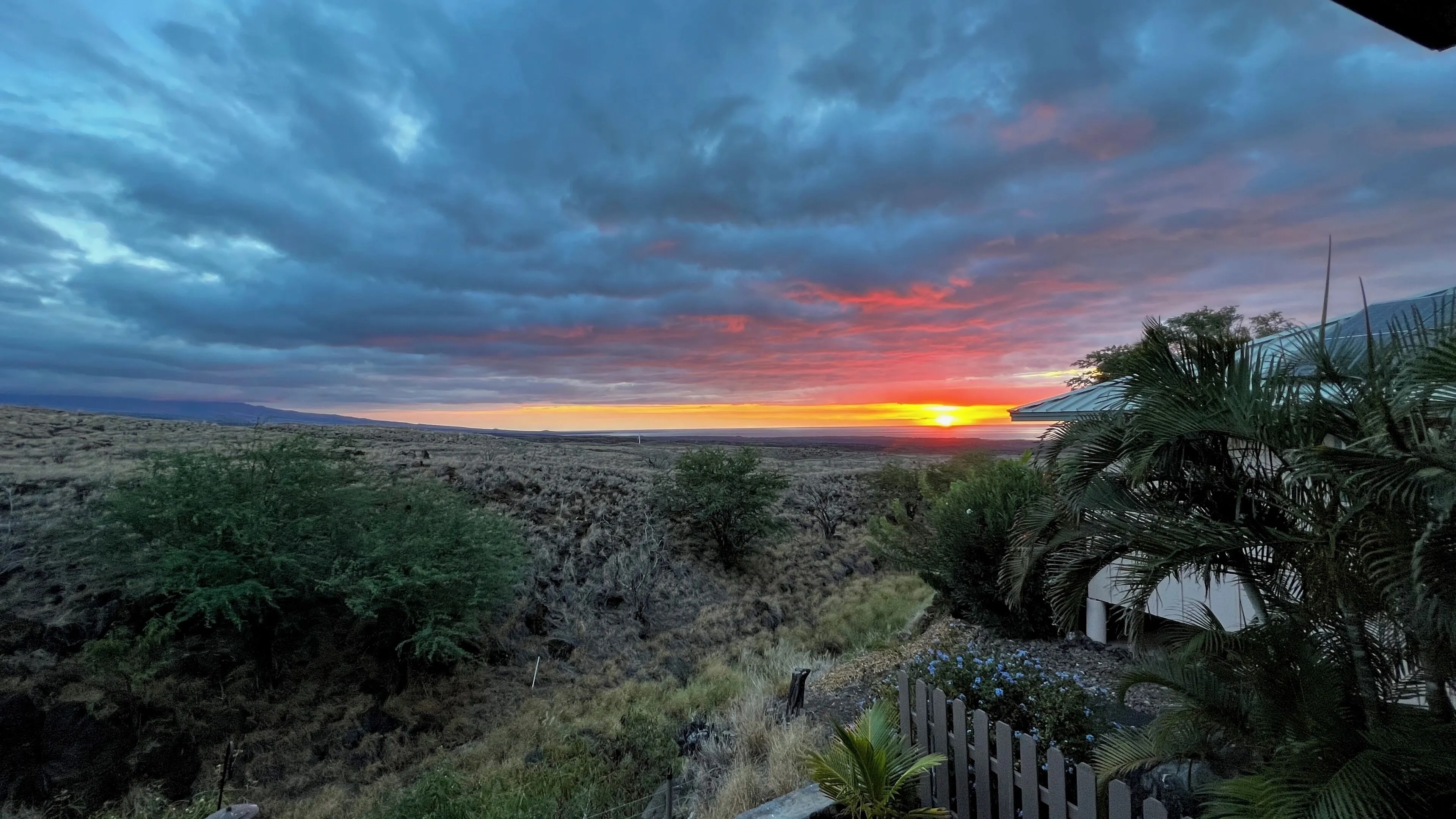
If you're planning a month on the Big Island with family, the ocean is probably the thing you're most excited about — and, if you're honest, the thing you quietly wonder about too. Is it safe to swim? Will the kids be okay? What about surf? These are good questions, and the reassuring answer is that with a little local knowledge, beach days here are some of the easiest, happiest parts of a long stay. The west side where we are — the dry, leeward Kohala Coast — is the calmer, more sheltered coast to begin with, and a month gives you the greatest luxury of all: you never have to force a beach day. You can simply wait for the ocean to settle, and it usually does.
Waikoloa Village sits above the Kohala Coast on the island's leeward side, tucked in the rain shadow of Mauna Kea and Hualālai. That same geography that keeps the weather dry and sunny also tends to keep the water gentler than the windward (Hilo) side. Mornings are often the calmest, clearest time to be in the ocean, before the afternoon trade winds pick up — an easy rhythm to settle into when you have weeks rather than days.
When in doubt, choose a lifeguarded beach — it's the single best safety decision you can make, especially with children or less-confident swimmers. On our stretch of coast:
Other favorites, like Anaehoʻomalu Bay (A-Bay) just 10–15 minutes down the hill, are calm and family-friendly but not lifeguarded, so they're best when the water is obviously settled and you're comfortable judging conditions yourself.
You don't need to be an ocean expert — just a careful observer. A few habits that locals live by:
Posted signs and flags at the lifeguarded beaches tell you the day's story at a glance, and the Pacific Tsunami Warning Center and local Ocean Safety updates are easy to check. Most days on this coast, the honest report is: lovely.
Two things catch first-time visitors off guard. The first is the sun — we're close to the tropics, and it's stronger than it feels in the sea breeze, so hats, rash guards, and reapplied sunscreen matter even on cloudy days. The second is sunscreen itself: Hawaiʻi law prohibits the sale of sunscreens containing oxybenzone and octinoxate to protect the coral reefs, so pack or buy a mineral, reef-safe sunscreen (look for zinc oxide or titanium dioxide). A rash guard also means less sunscreen and happier shoulders. And whether you're snorkeling or just wading, never stand on or touch the coral — it's alive, and it's the reason the fish are there.
On a one-week trip, a stretch of high surf can feel like a lost vacation. On a month-long stay, it's just Tuesday — you read the forecast, pick a calm morning later in the week, and in the meantime enjoy the pool, a drive, or a quiet day on the lanai. That flexibility is the quiet superpower of a long stay, and it's why guests who were nervous about the ocean so often end up most at home in it by the end of the month.
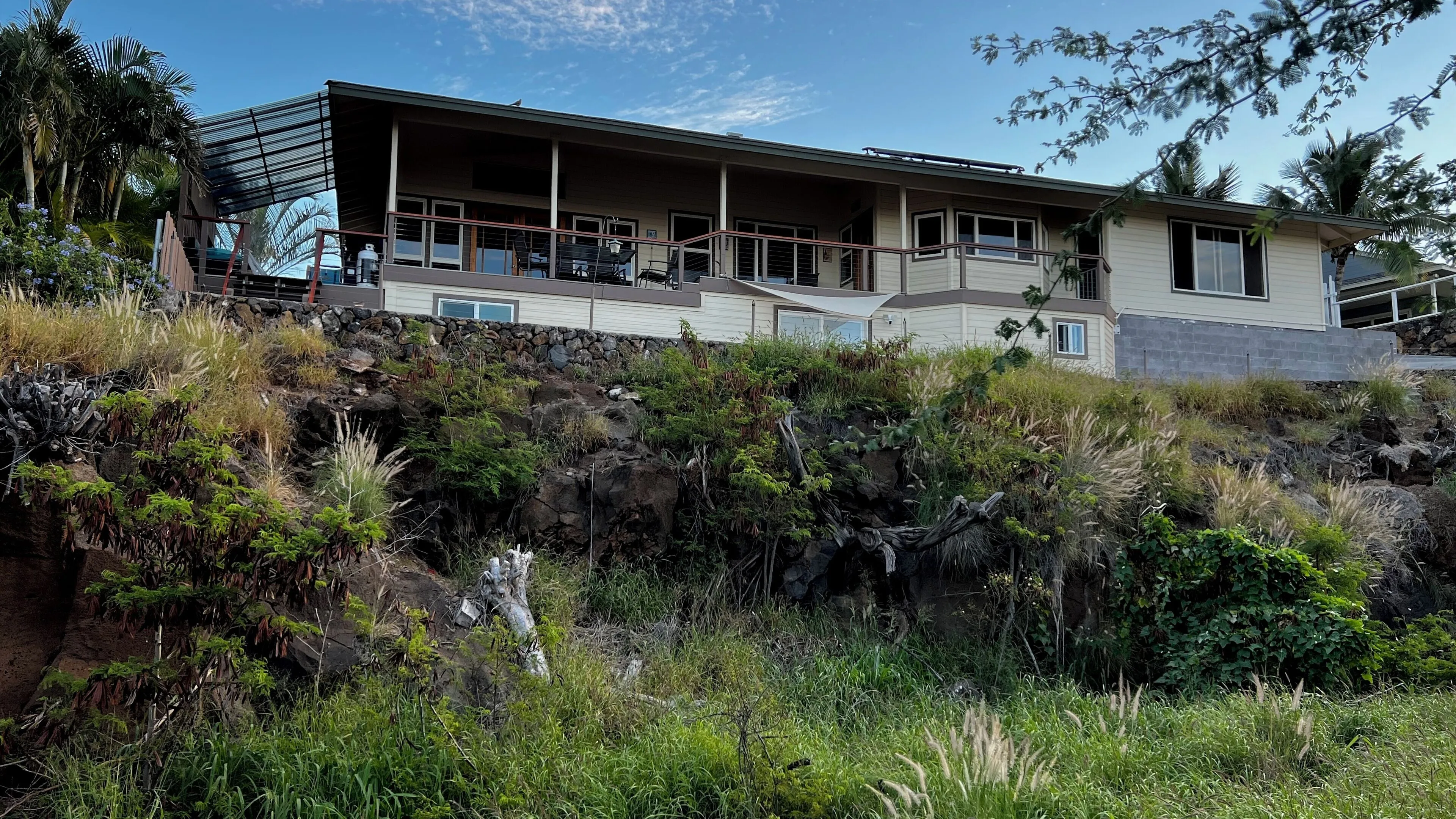
Hale Akaʻula is a whole-home rental in Waikoloa Village — three bedrooms that sleep up to eight, with beach gear (chairs, coolers, boogie boards) already waiting by the door so a beach morning is a grab-the-keys affair, not a packing project. At about 800 feet of elevation the village stays a touch cooler and breezier, and ceiling and portable fans keep the bedrooms comfortable after a day in the sun. We host monthly stays only, 31-night minimum, booked directly with us so there are no platform fees — from $6,900/month in the shoulder season and $8,200/month in winter, plus Hawaiʻi's roughly 18–19% GE and transient taxes. Have a look at the gallery, check monthly rates, or reserve your month and we'll help you plan the beach days.