Monthly furnished housing for contractors, TDY personnel, relocating employees, and displaced families — why the 31-night minimum and a real rental agreement are green flags.
Every month, people arrive on Hawaii Island for work that lasts longer than a vacation but shorter than a lease: a project, a posting, a rebuild, a transition. Hotels get expensive and small very quickly, and one-year leases don't fit. As owners of a monthly furnished rental in Waikoloa Village, we've hosted many of these guests, and we've learned what actually matters in this kind of housing search.
Corporate housing providers and extended-stay hotels serve a purpose, but on this island the math rarely favors them. Resort-area nightly rates multiply brutally over 30+ nights, and corporate housing typically layers broker margins and service fees on top of the underlying rent. A direct monthly rental flips that: you pay the owner's actual rate, with no platform or broker fees. Our home, for example, runs from $6,900/month in shoulder season to $8,200/month in winter, plus Hawaii's roughly 18–19% GE/TA taxes — itemized plainly, invoiced properly for an employer or insurer, for an entire 3-bedroom house rather than a suite. For a shared crew or a displaced family, the per-person, per-night cost is a fraction of comparable hotel space, and you gain a full kitchen, full-size laundry, and fast WiFi — the things that make month two feel livable rather than endured.
Hawaii County law sets a 31-night minimum for rentals like ours outside resort zones. If your assignment is a month or longer, this works in your favor. It means the home you're renting operates legally, with the county's blessing, in a stable residential neighborhood — not a gray-market vacation flip that could be shut down mid-assignment. It means your neighbors are residents, not a rotating cast of weekenders. And it means owners like us are set up for exactly your kind of stay: monthly billing, utilities sorted, extensions handled with a conversation rather than a re-booking scramble.
When a landlord asks you to sign a rental agreement and complete basic screening, that's not friction — that's professionalism. A written agreement protects both sides: your dates, your rate, your deposit terms, and the house rules are all on paper before you fly over an ocean. Reasonable screening (ID, and for longer stays sometimes employer or assignment verification) tells you the owner runs a real operation and vets who shares the neighborhood. Be wary of the opposite: cash-only arrangements, no agreement, vague tax handling, or an owner who won't do a video walkthrough. On an island where you can't easily drive over and inspect first, the landlords who volunteer documentation are the ones you want.
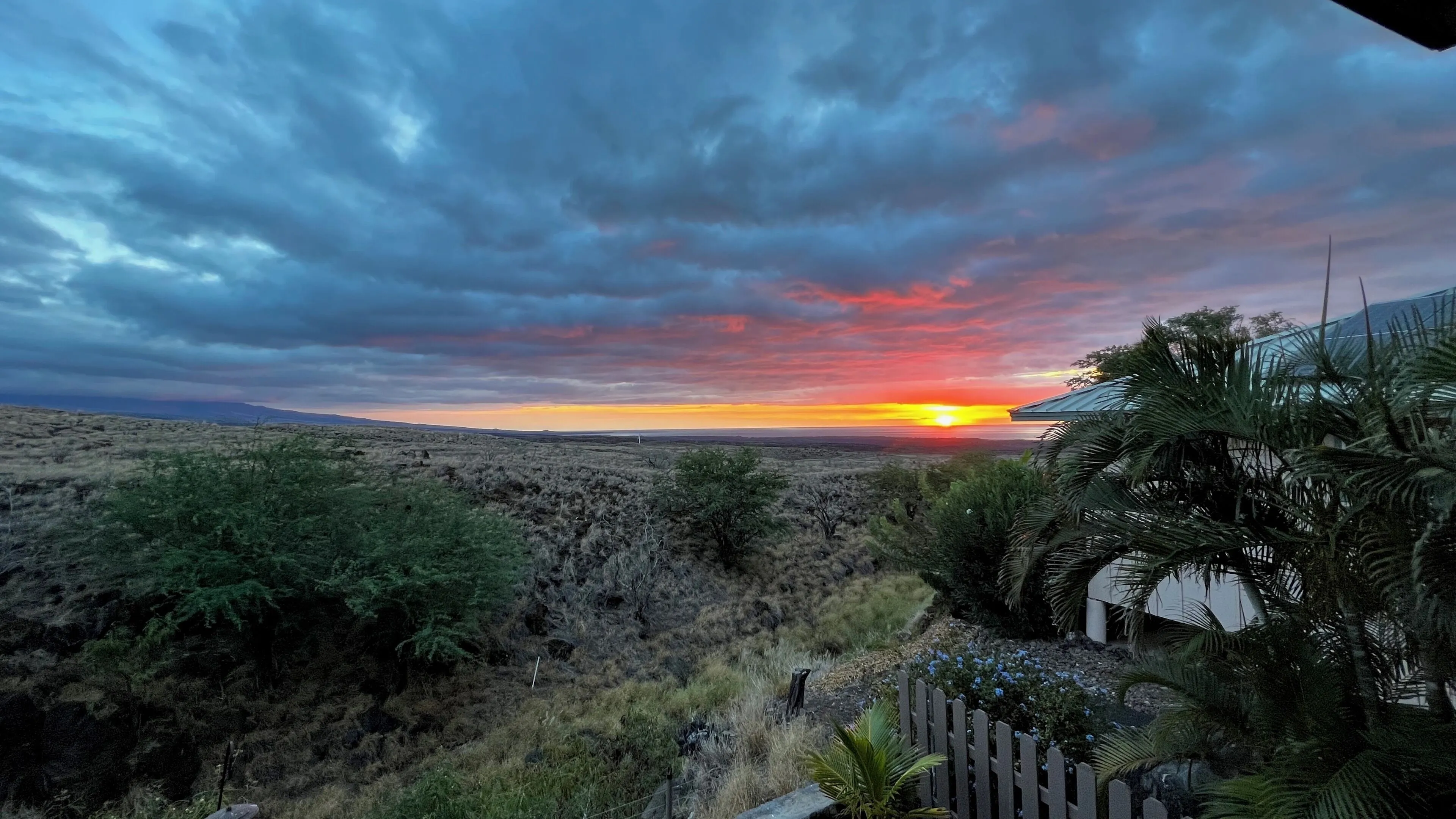
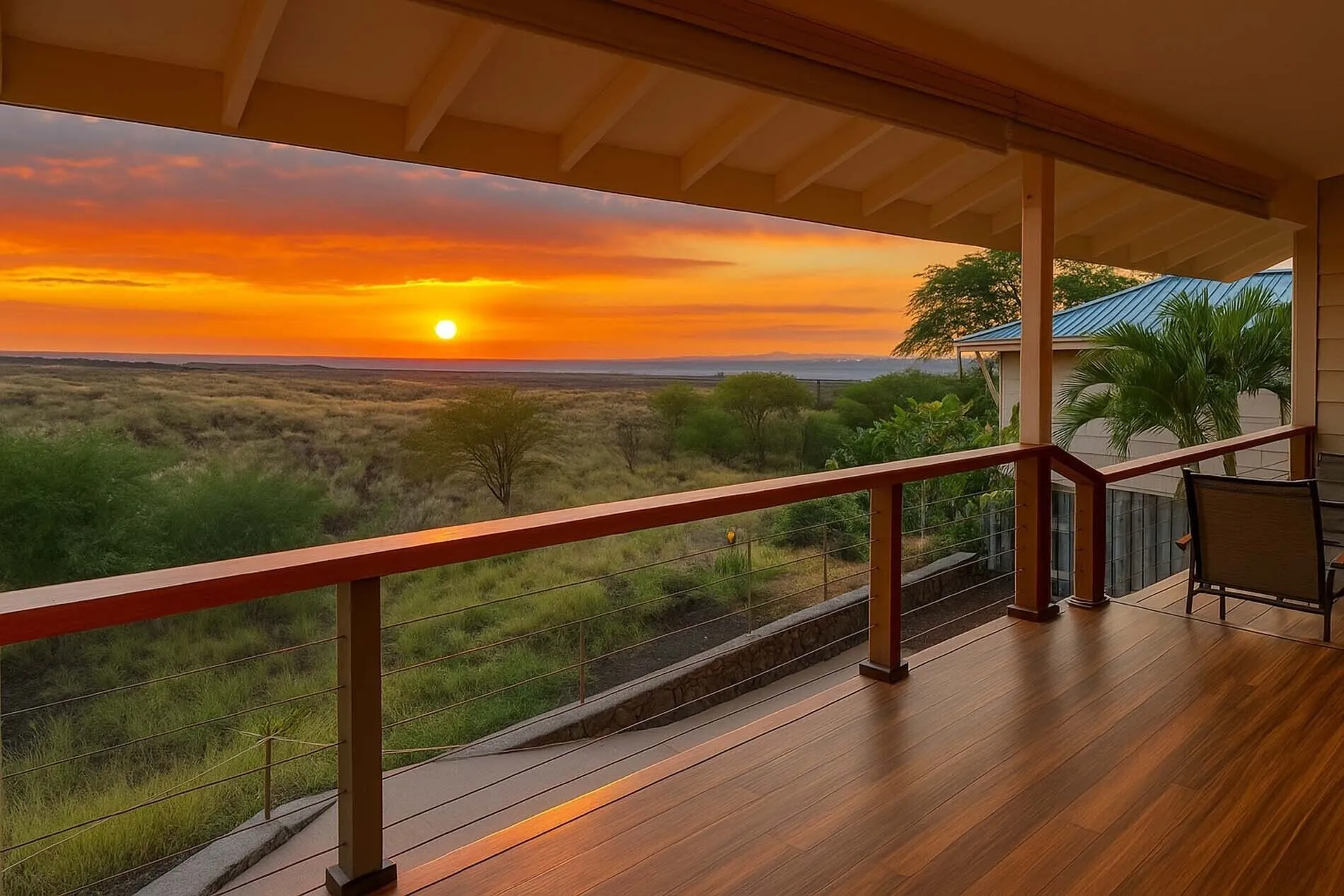
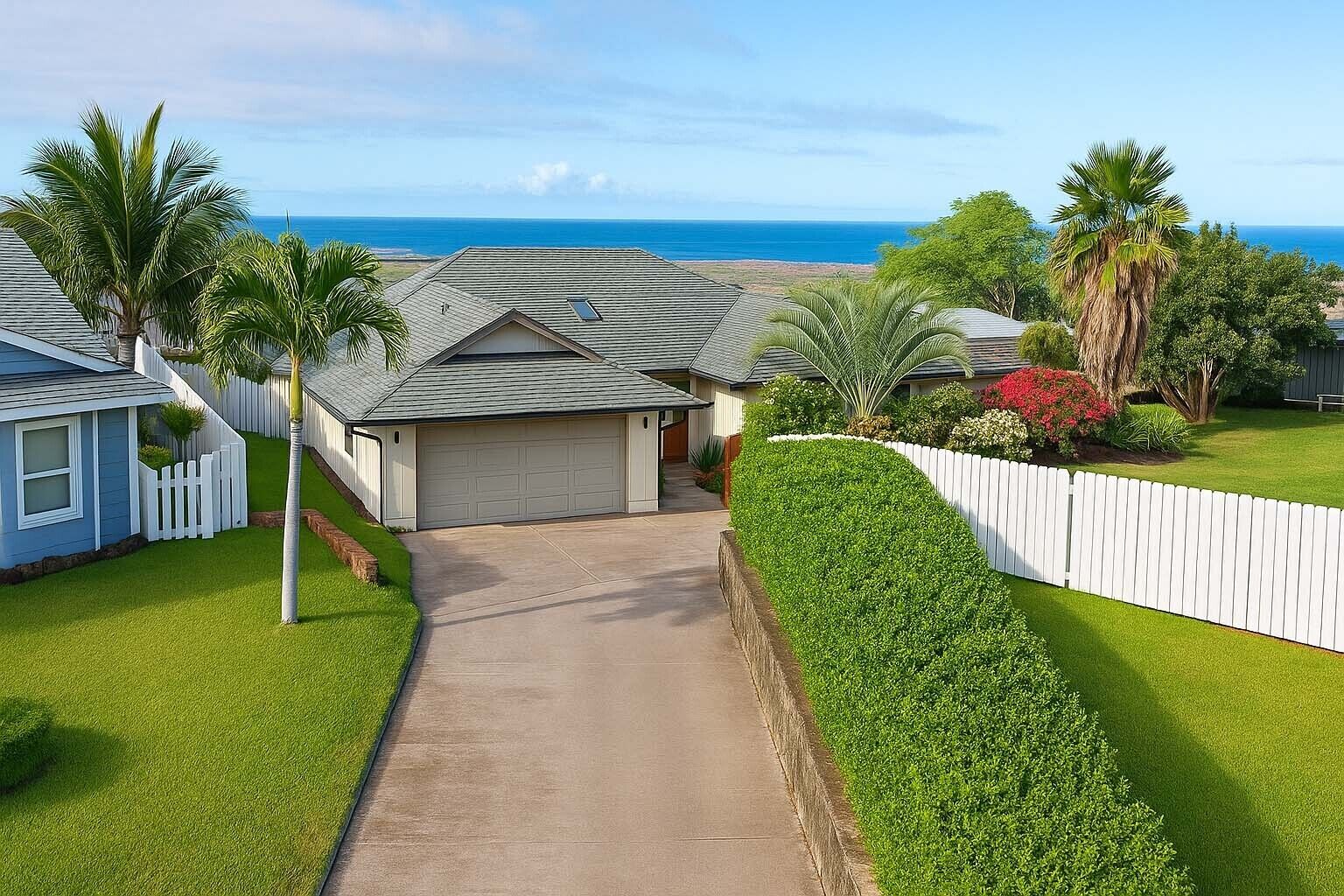
Hale Akaʻula is our whole-home monthly rental in Waikoloa Village on the Big Island's sunny leeward side: 3 bedrooms, 2.5 baths, sleeps up to 8, with a gourmet kitchen (two refrigerators, double ovens), quiet ocean-view workspaces on fast WiFi, full-size laundry, and a west-facing covered lanai for end-of-day sunsets. We're about 35 minutes from Kona International Airport and 20–25 minutes from Waimea, with community pool and golf access via guest pass. We host it personally, provide a proper rental agreement and itemized invoicing, and answer our own phone. Rates and tax details are on the pricing page, the house is on the gallery, and if you have assignment dates in hand, check the reservations page or contact us directly — we can usually tell you within a day whether we're a fit.