An honest guide to grocery shopping and living costs for a month-long Big Island stay — where locals shop, what things really cost, and how a full kitchen changes the math.
The question we hear most from first-time monthly guests isn't about beaches — it's about groceries. Fair enough: food prices are the first sticker shock of any long Hawaii stay, and knowing where locals shop makes a real difference to your budget. After years of living and hosting in Waikoloa Village, here's our honest rundown.
We won't sugarcoat it: nearly everything arrives by ship, and island grocery prices generally run about 30–50% above mainland levels. Two honest examples from current island price guides: milk commonly runs $7.50–$9 a gallon here versus $3.50–$4.50 on the mainland, and a dozen eggs $5.50–$7.50 versus $3–$4.50. A cart that costs $100 at home will likely ring up around $130–$140 here. For planning purposes, a couple cooking most meals typically spends roughly $800–$1,200 a month; a family of four more like $1,400–$1,600. Gas stings too — Big Island regular averaged about $5.50 a gallon in mid-2026, among the highest in the country.
Here's the good news: monthly guests can shop the way locals do, and locals have this figured out.
Restaurant meals carry the same island premium as groceries — a casual dinner out for two at the resorts adds up fast, night after night, for a month. This is where a real kitchen quietly pays for a chunk of your stay. Our home has a gourmet kitchen with two full-size refrigerators and double ovens — which sounds like overkill until you've done a Costco run for a month-long stay. One fridge swallows the bulk shopping; the other holds the week's fresh food and the beach cooler supplies. Double ovens mean a Sunday dinner for eight, or a week of batch cooking, without juggling. Guests routinely tell us they ate better here than they do at home, for less than they'd spend on a week of resort dining. Save the restaurant budget for the meals that deserve it — a Waimea dinner out, a sunset splurge on the Kohala Coast — and let the kitchen handle the rest.
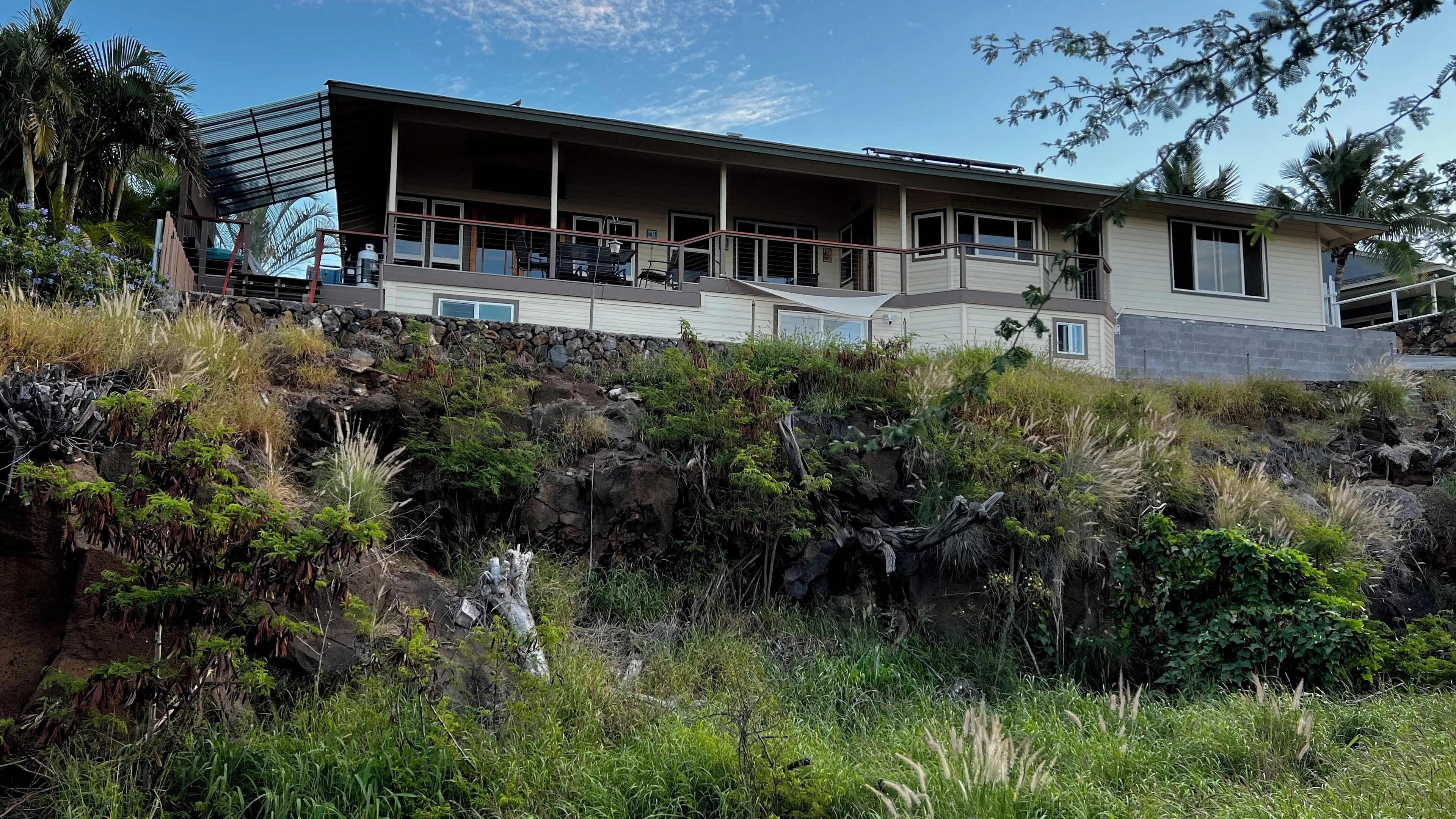
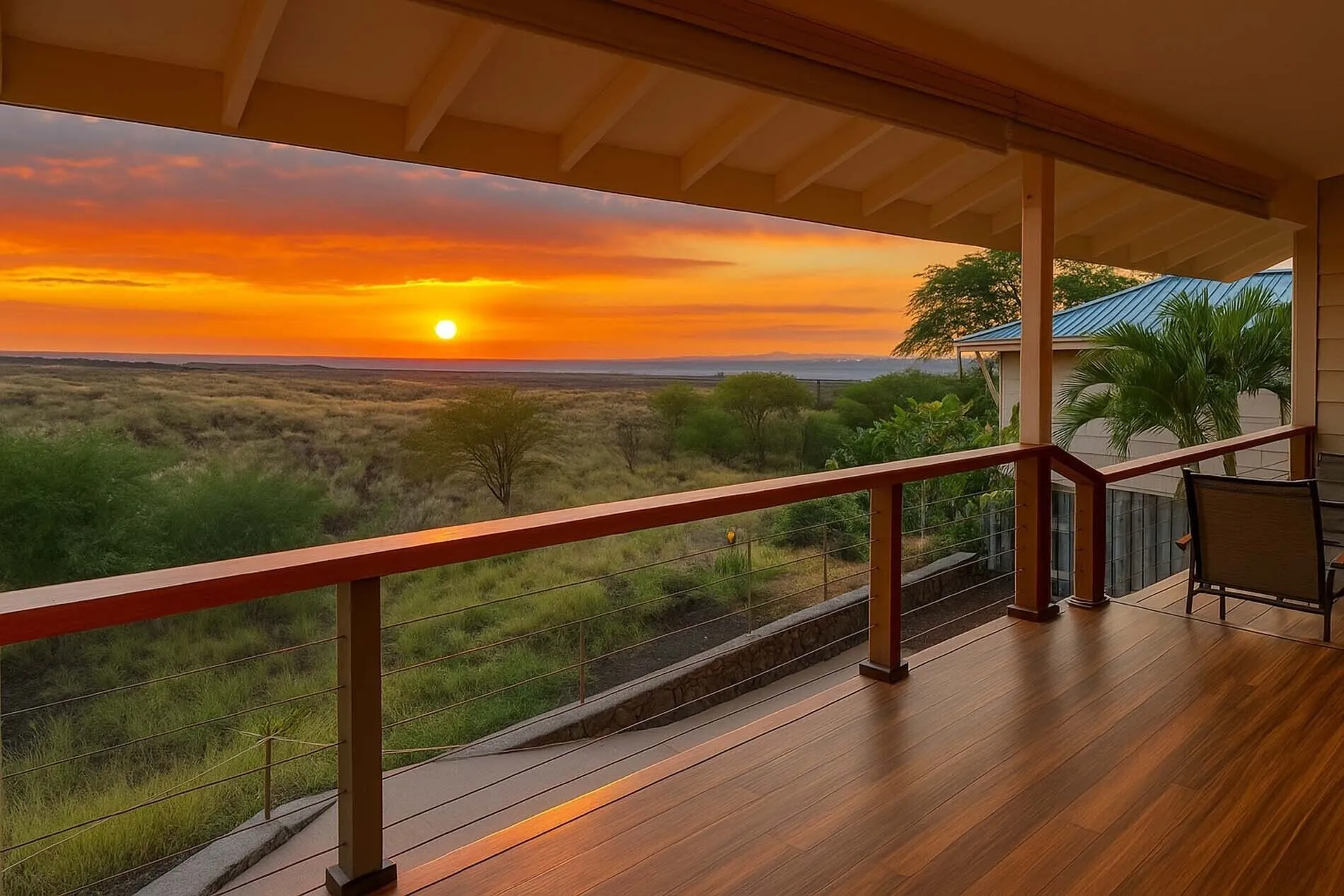
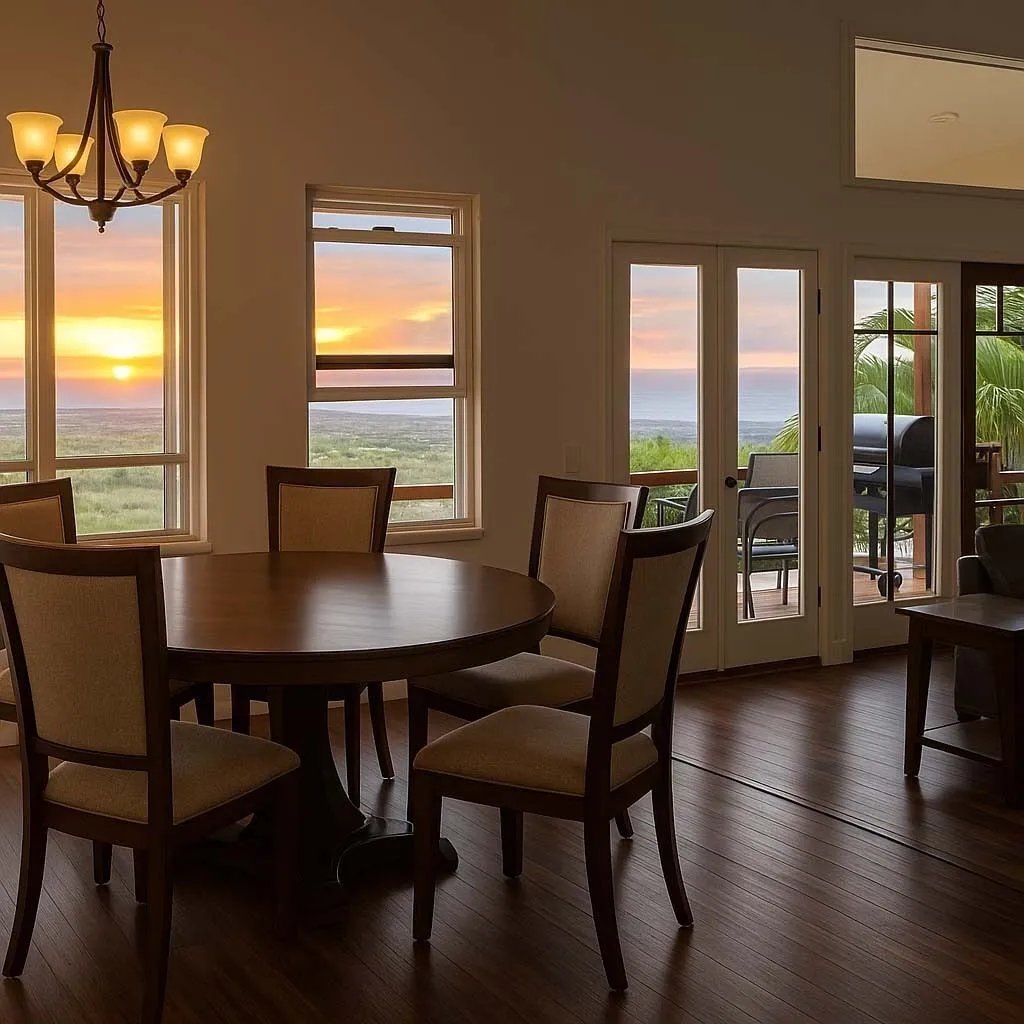
A month at Hale Akaʻula means shopping like a resident: KTA five minutes away, Waimea's markets over the hill, Costco down the coast, and a kitchen genuinely built for it all. Dinner tastes better on our west-facing lanai with the sun dropping into the Pacific — that part, we're happy to report, is free. See the kitchen and dining spaces in our gallery, review monthly rates and what's included, and get in touch with any budget questions — we'll give you the same straight answers we've given here.