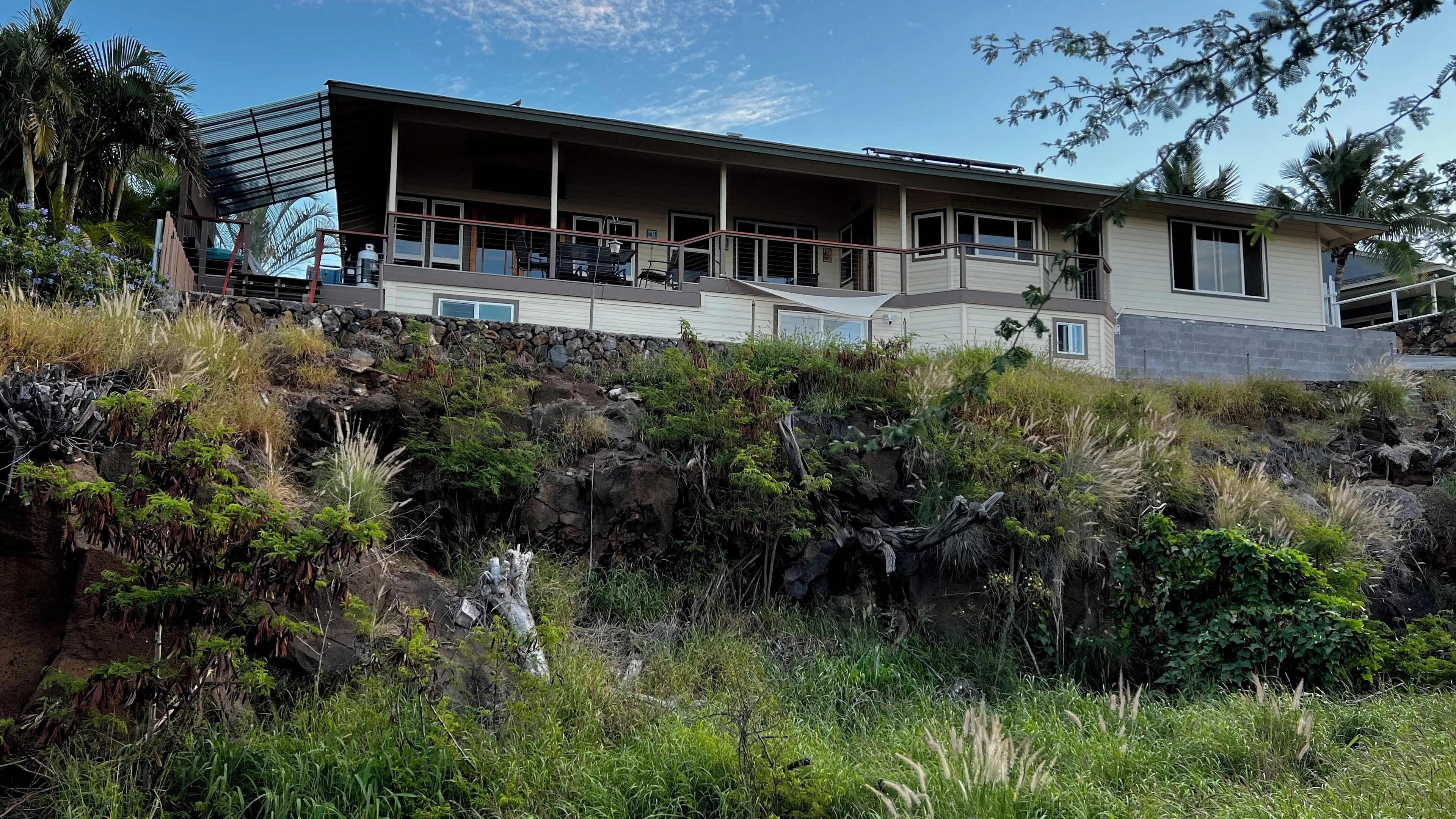
How a month on Hawaiʻi Island actually unfolds — the first-week scramble, the settling in, and the things most visitors only figure out on their last day.
A week on the Big Island and a month on the Big Island are different trips. A week is a checklist. A month is a rhythm — and the guests who enjoy it most are the ones who stop trying to see everything in the first five days. Here is how a month at Hale Akaʻula tends to unfold, based on hosting a lot of them.
Land at Kona International, pick up the car — and you do need a car; Waikoloa Village is about 35 minutes from the airport and there is no useful transit. Resist the urge to sightsee on day one. Instead, do the boring things that make the next four weeks easy:
By the second week you are acclimated and it is worth doing the drives that are genuinely too much for a day-tripper's schedule. North to Hawi and Pololū Valley is the one most guests come back raving about — the lookout alone is worth the drive, and the hike down is short but seriously steep. Waimea, on the way, is cooler, greener, and looks nothing like the coast you have been living on; most first-time visitors have no idea the island does rolling ranchland.
Save Volcanoes National Park for a full day with an early start. It is a long drive from this side of the island, and doing it as a rushed afternoon is the most common regret we hear.
This is the week the trip stops being a vacation and starts being a life, and it is the reason people book a month instead of a week. You will have a coffee spot. You will know which lane at the grocery store moves. The novelty burns off and something better replaces it.
Practical things worth doing in week three:
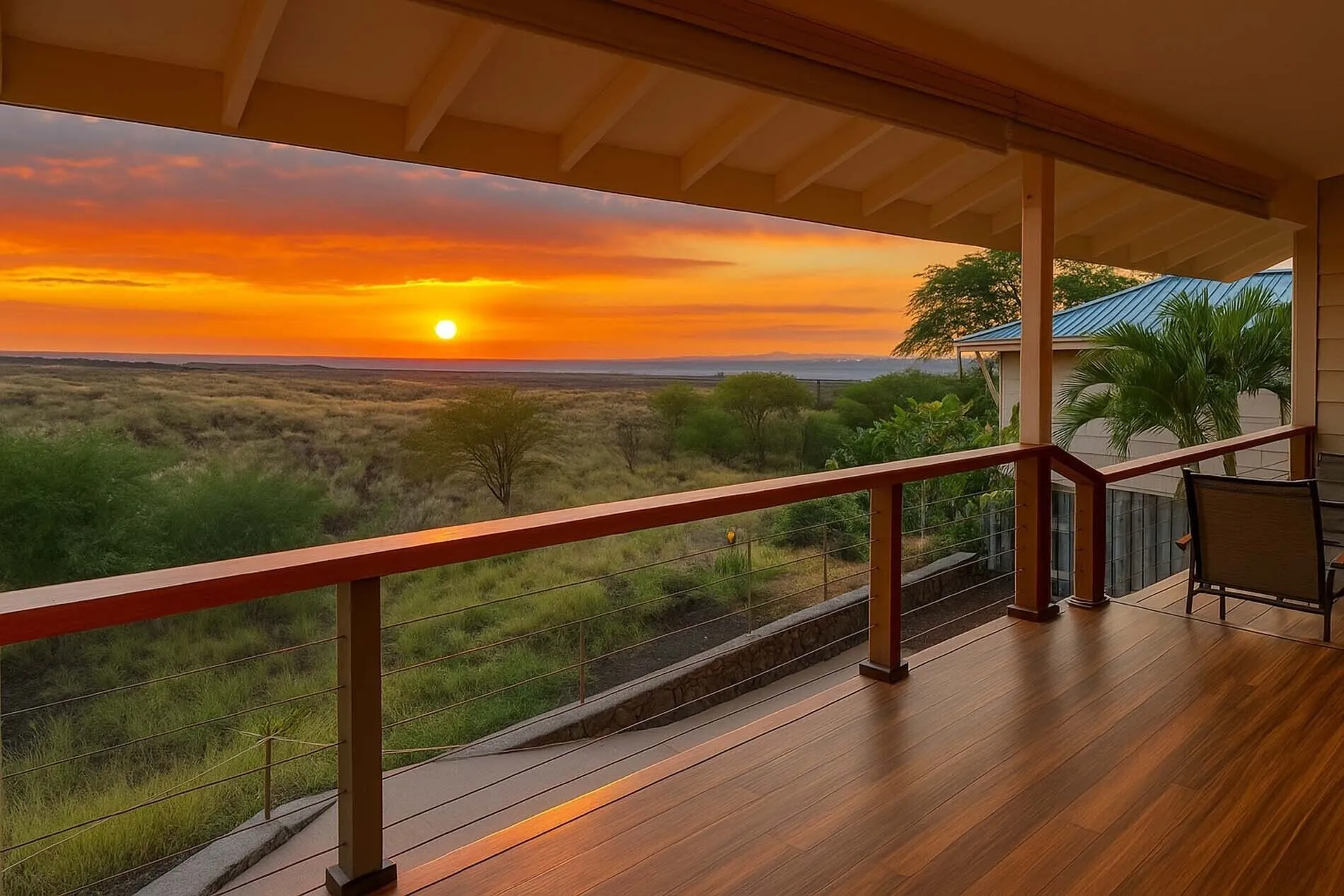
The last week is when guests finally do the low-key things that never make a one-week itinerary. Snorkeling at Puako on a calm morning. A farmers market. Stargazing — with nothing between the house and the highway three miles below, the night sky here is genuinely dark, and you do not need to drive to Mauna Kea to see the Milky Way, though the Visitor Information Station is worth the trip if you want the telescopes.
If your stay lands between about December and April, this is also humpback season, and you can often watch whales from the lanai without buying a boat ticket.
Very little, honestly — which is the advantage of a long stay. Two exceptions:
They over-schedule the first ten days and under-schedule the last ten. A month is long enough that you do not have to earn your rest — build in days where the plan is coffee on the lanai and nothing else. Those end up being the days people describe when they get home.
If you are weighing a month here, the monthly rentals guide covers the practical side — the 31-night rule, what a month actually costs, and what to look for in a listing. Open dates are on the availability calendar, and you are welcome to send us your dates — we reply personally.