How to plan a safe, legal, and respectful stargazing trip up Mauna Kea — plus why the darkest sky of your stay might be right over our backyard in Waikoloa Village.
On a clear night in Waikoloa Village, we can step outside and watch the Milky Way arc over the dark shoulder of Mauna Kea. It never gets old. But at least once during a month-long stay, we think every guest should experience the mountain itself, because the stargazing on Mauna Kea is — without exaggeration — among the best anywhere on Earth. Here is how we recommend doing it safely, legally, and respectfully, based on how things stand as we write this. Programs and access rules on Mauna Kea do change, so please check the official Maunakea Visitor Information Station pages before you drive up.
Mauna Kea rises nearly 14,000 feet out of the middle of the Pacific, far from any big-city light dome. The summit region sits above much of the atmosphere's moisture and turbulence, which is exactly why some of the world's most important observatories were built here: the air is dry, dark, and unusually stable, so stars barely twinkle. Hawaiʻi's latitude also means you can see a huge sweep of both northern and southern skies, including the Southern Cross in season. Even from partway up the mountain, the sky is dramatically better than almost anything most visitors have seen at home.
The Maunakea Visitor Information Station (VIS) sits at about 9,200 feet on the Maunakea Access Road, off the Daniel K. Inouye Highway. As of this writing it is open daily from 9 a.m. to 9 p.m., though it occasionally closes for weather, so check before you make the drive. Everyone heading up the mountain should stop here for at least 30 minutes to acclimate to the altitude before going any higher.
The evening programs have shifted over the years. The long-running nightly program was suspended back in 2019, but free stargazing has since returned: on most clear nights the VIS staff set up telescopes in the parking area and lead sky talks after dark, alongside scheduled telescope events built around a particular object or theme. Check the VIS calendar before you go so you know what is on offer that night. Honestly, though, you do not need a telescope. Standing in the VIS parking area at 9,200 feet under that sky, letting your eyes adapt for twenty minutes, is the show.
The road above the VIS is a different world, and the rules are real:
A word of altitude honesty: at 9,200 feet, let alone near 14,000, some people feel a headache, lightheadedness, or shortness of breath. Most healthy visitors do fine at the VIS with a sensible acclimatization stop, plenty of water, and a slow pace — but if you feel unwell, the fix is simple: head back down. The stars look wonderful from lower elevations too.
The single biggest factor in what you will see is the moon. Aim for the week around the new moon if you want the full Milky Way experience; a bright full moon washes out all but the brightest stars (though it makes the landscape eerily beautiful). Check moonrise and moonset times — an early-setting crescent can give you the best of both worlds.
Mauna Kea is not just an observatory site; it is among the most sacred places in Hawaiʻi, significant in Native Hawaiian tradition as a realm of the divine and the piko — the umbilical connection — of the island. There is also a long, ongoing conversation in the community about how the mountain should be cared for. Visit as a guest: stay on established roads and areas, do not stack rocks or leave anything behind, keep your voice low after dark, and treat the mountain the way you would treat someone's church, because for many people that is exactly what it is.
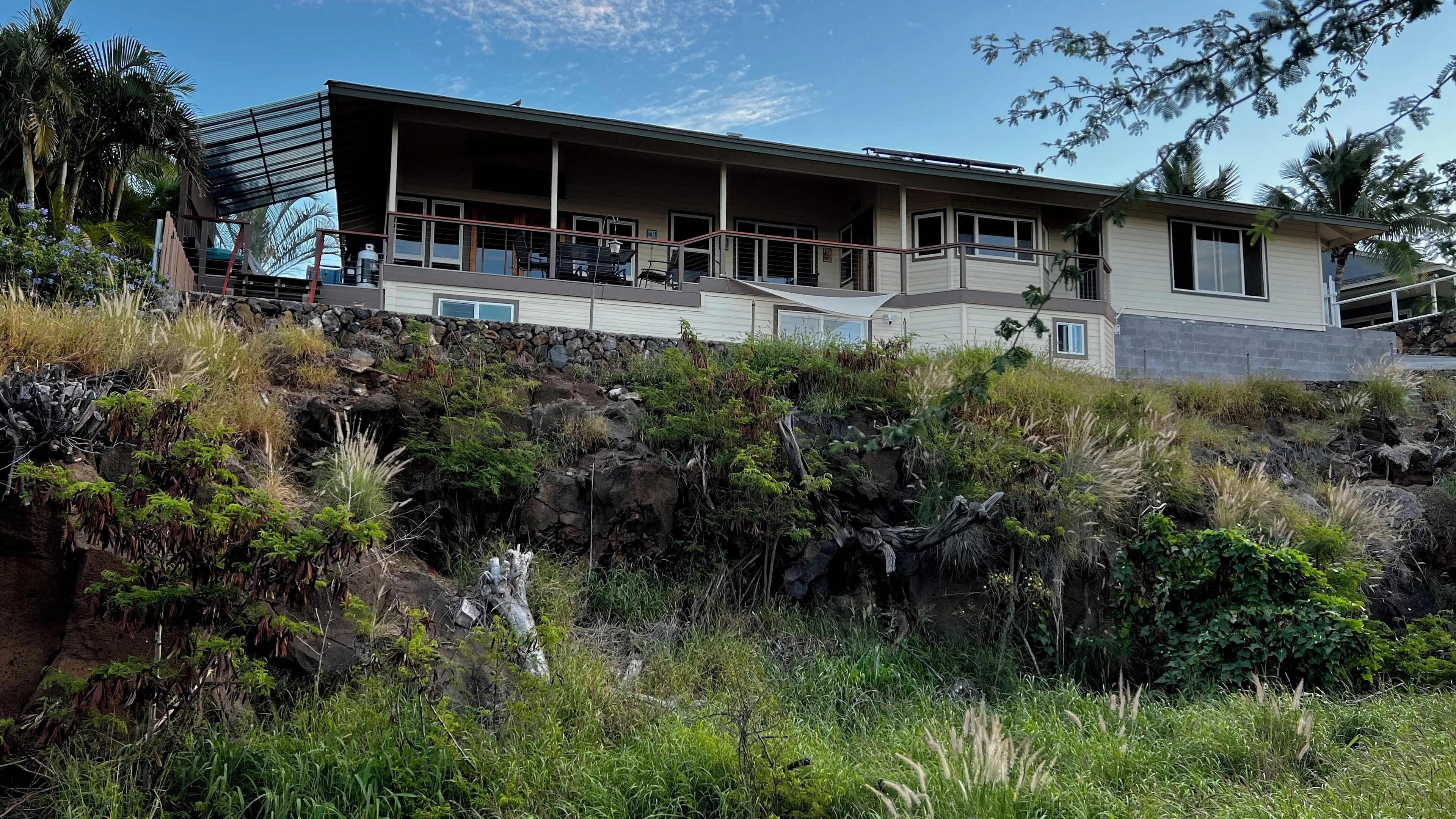
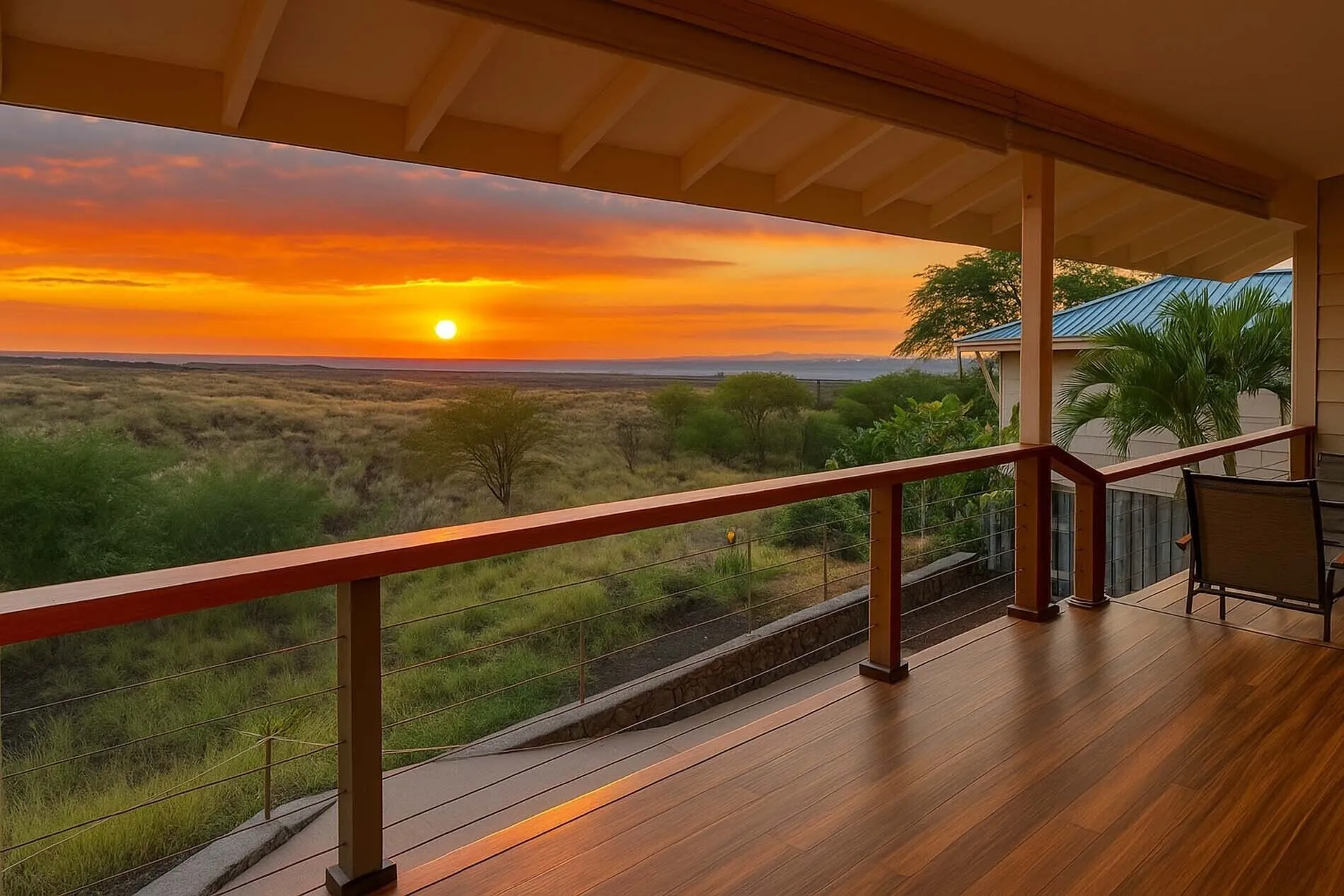
Here is the secret we tell every guest: some of the best stargazing of your stay will happen at Hale Akaʻula. Waikoloa Village sits at about 800 feet on the dry leeward side, with clear air most nights and very little light pollution — step out back after dinner, let your eyes adjust, and the sky does the rest. You can see the west-facing lanai where it all happens in our gallery, check monthly rates on our pricing page, and when you are ready, request your dates through reservations. We will happily share our current tips on VIS programs when you arrive.